

2025-06-11T07:15:19
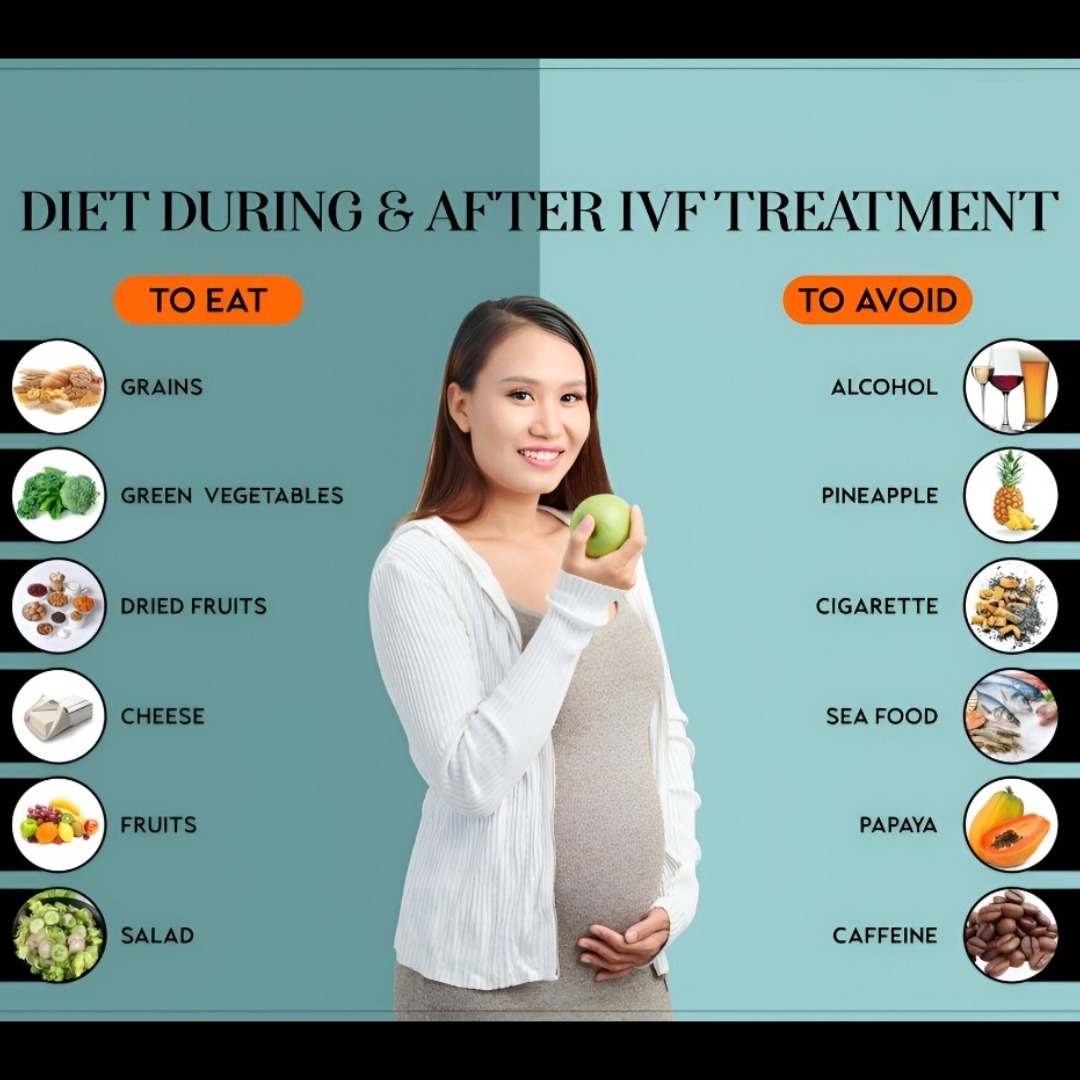
Best IVF success rate in Coimbatore Diet & Nutrition Tips for IVF Patients: Enhancing Fertility Through Healthy Eating Nutrition plays a critical role in IVF success, influencing hormone balance, egg and sperm health, and overall reproductive function. A well-balanced diet prepares the body for conception by promoting optimal nutrient intake, reducing inflammation, and stabilizing blood sugar levels. In this blog, we explore the best diet and nutrition tips for IVF patients to improve fertility outcomes. 1. Focus on Whole, Nutrient-Dense Foods Eating natural, unprocessed foods enhances overall health and fertility. Incorporate: ● Fresh fruits & vegetables (rich in antioxidants to protect egg and sperm quality). ● Whole grains (brown rice, quinoa, oats) for sustained energy and hormone balance. ● Healthy fats (avocados, nuts, olive oil) to support reproductive hormones. ● Lean proteins (fish, eggs, legumes, and lean meats) for cell development and embryo health. Avoid processed foods, refined sugars, and trans fats, which may lead to inflammation and hormone imbalance. 2. Increase Hydration for Hormone Balance Proper hydration supports blood flow to reproductive organs, ensuring a healthy uterine environment. IVF patients should: ● Drink 2-3 litres of water daily to aid digestion and detoxification. ● Include hydrating foods (watermelon, cucumber, citrus fruits). ● Reduce high-sodium processed foods, which may cause bloating and dehydration. 3. Maintain Optimal Weight & Blood Sugar Levels Balanced weight management enhances IVF success rates. ● If overweight, focus on a diet rich in fiber, lean proteins, and healthy fats. ● If underweight, increase nutrient-dense calorie intake with whole foods. ● Avoid excess sugar & processed carbs, which can cause insulin spikes and affect ovulation. 4. Boost Key Fertility Nutrients Certain nutrients support egg quality, sperm health, and implantation success: ● Folic Acid – Prevents neural tube defects (found in spinach, beans, fortified grains). ● Vitamin D – Supports hormone balance (sunlight exposure, salmon, dairy). ● Omega-3 Fatty Acids – Improves embryo quality (walnuts, flaxseeds, fatty fish). ● Iron & Zinc – Essential for ovulation and cell development (red meat, lentils, pumpkin seeds). Consider doctor-recommended supplements if nutrient levels are low. 5. Reduce Alcohol, Caffeine & Smoking Certain substances negatively impact egg and sperm quality. IVF patients should: ● Limit caffeine (below 200mg/day from coffee or tea). ● Avoid alcohol, which disrupts hormonal balance. ● Quit smoking, as it decreases fertility rates and affects implantation success. 6. Support Gut Health for Fertility A balanced gut microbiome helps absorb essential nutrients. Improve digestive health by: ● Eating fermented foods (yogurt, kimchi, kefir) for probiotics. ● Adding fiber-rich foods (vegetables, whole grains, legumes) for healthy digestion. ● Avoiding processed dairy & high-sugar foods, which cause bloating and inflammation. Conclusion A nutrient-rich diet enhances IVF success, optimizing egg quality, hormone balance, and implantation rates. By prioritizing whole foods, hydration, fertility-enhancing nutrients, and avoiding harmful substances, IVF patients can prepare their bodies for a successful pregnancy.